
Migration and Displacement
Economic rights are fundamental human rights. Yet around the globe, women are more likely to live in poverty than men. More women work in vulnerable, low-paid, or undervalued jobs.
Why it’s important
• In the majority of countries, women’s wages represent between 70 and 90% of men’s, with even lower ratios in some Asian and Latin American countries.
• As of 2011, 50.5% of the world’s working women were in vulnerable employment, often unpro- tected by labour legislation, compared to 48.2% for men. Women were far more likely than men to be in vulnerable employment in North Africa (55 versus 32%), the Middle East (42 versus 27%) and sub-Saharan Africa (nearly 85 versus 70 per cent).
• Women bear disproportionate responsibility for unpaid care work. Women devote 1 to 3 hours more a day to housework than men; 2 to 10 times the amount of time a day to care (for children, elderly, and the sick), and 1 to 4 hours less a day to market activities. (UN Women)
What we are doing to help
Many of our members develop projects specifically targeted at the economic empowerment of women in different communities. Many are developing trainings on sustainable farming for women to grow for their family and the market, others helped negotiate land titles for women. We assist women in turning their income generating activities into small businesses, securing their access to finance opportunities and useful technologies.
VIDEOS
RESOURCES
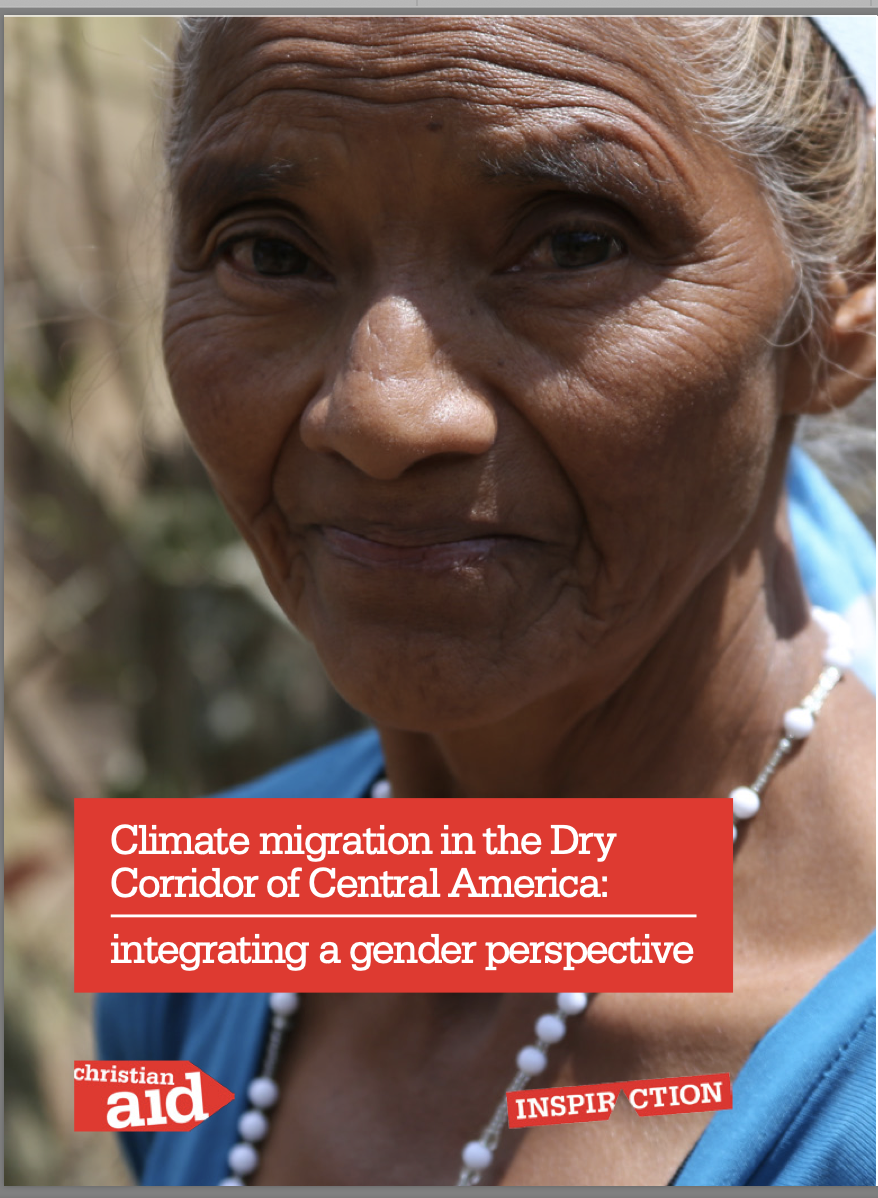
Christian Aid | Climate migration in the dry corridor of Central America, a gender perspective
ACT Alliance | Leaving No One Behind: Ensuring an Age, Gender, and Diversity (AGD) Inclusive Approach to Internal Displacement
STATEMENTS
Faith in Beijing joint statement on “Gender, Faith and COVID-19”
Faith in Beijing joint statement in Spanish: Género.FeyCOVID-19
EXTERNAL RESOURCES
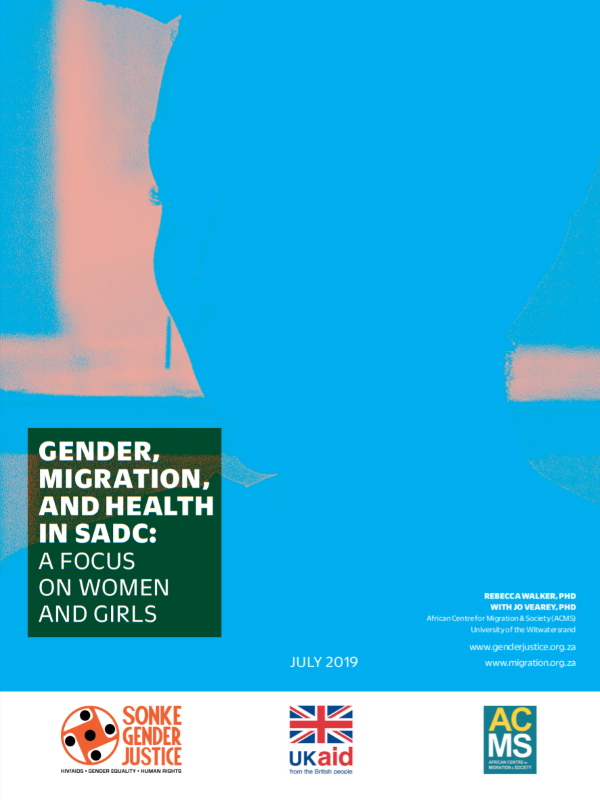
Sonke Gender Justice | Gender, Migration, and Health in SADC
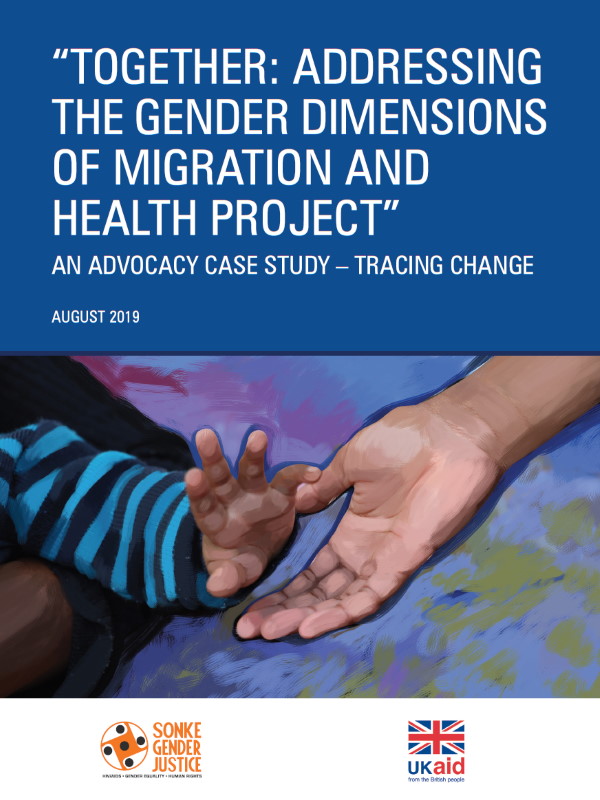
Sonke Gender Justice | Together: Addressing the Gender Dimensions of Migration and Health
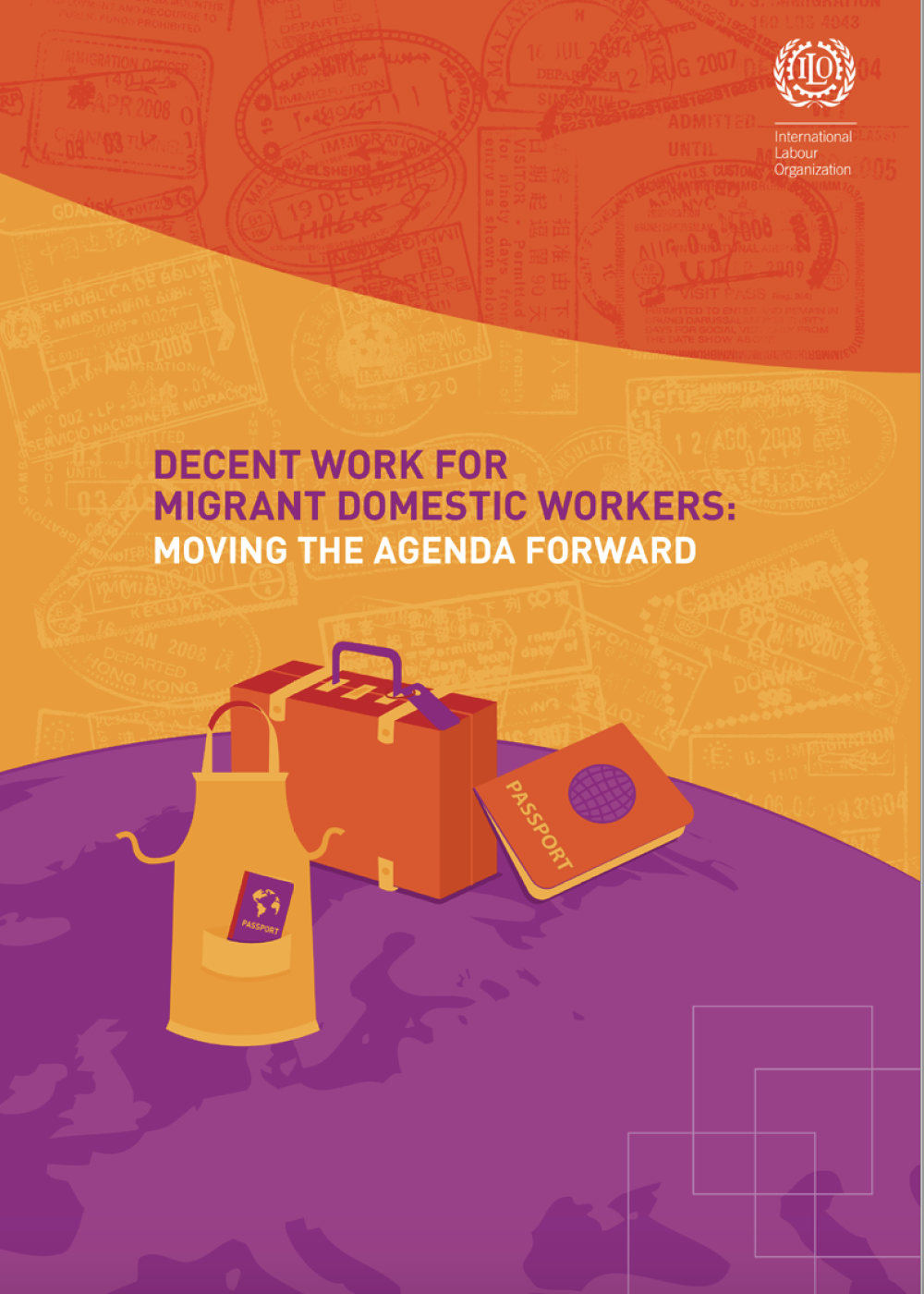
ILO | Decent Work for Migrant Domestic Workers, Moving the Agenda Forward
UN Women | MIGRANT WOMEN & REMITTANCES: EXPLORING THE DATA FROM SELECTED COUNTRIES
UN Women | GUIDANCE FOR ACTION